

Fetal Amniocentesis Test in Gwalior
What is Amniocentesis?
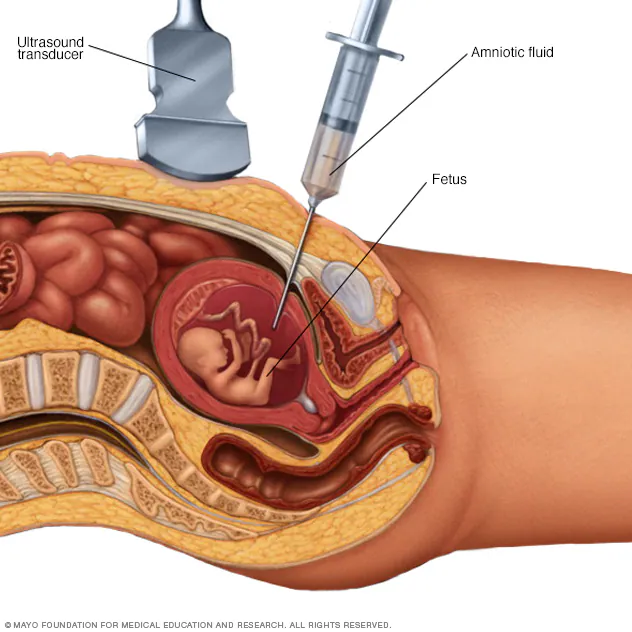
A Fetal Amniocentesis Test in Gwalior is a diagnostic procedure performed during the second trimester of pregnancy.
During the test, a small sample of amniotic fluid is carefully taken from the amniotic sac — the fluid-filled sac that surrounds the baby in the uterus. This fluid contains the baby’s shed cells, which are then analyzed to detect chromosomal or genetic abnormalities.
What is the Purpose of Amniocentesis?
The Fetal Amniocentesis Test in Gwalior is usually recommended in the following situations:
Prenatal screening suggests a higher risk of chromosomal disorders such as Down syndrome
Ultrasound detects structural issues that require further evaluation
There is a family history of genetic conditions
The decision to undergo amniocentesis is entirely voluntary. At Aarush Diagnostic Center, our specialists provide evidence-based guidance, helping you make an informed choice after understanding the benefits, risks, and purpose of the test.
Significance of Growth and Doppler Scan
The goal of a Fetal Growth and Doppler Scan in Gwalior is to detect growth disorders and monitor the baby’s well-being. Key measurements include:
Biparietal Diameter (BPD): Measures the width of the head
Head Circumference (HC): Measures around the head
Abdominal Circumference (AC): Measures around the abdomen
Femur Length (FL): Measures the thigh bone
From these, an Estimated Fetal Weight (EFW) is calculated and compared with gestational age to determine:
Normal Growth: Growth appropriate for gestational age
Fetal Growth Restriction (FGR): Smaller than expected, indicating slower growth
Macrosomia: Larger than usual, which may affect delivery planning
Along with fetal weight, maternal history, fluid assessment, and blood flow studies help identify babies at risk and assist doctors in timing delivery safely.